The History of Charcuterie & What Makes a Cotswolds Charcuterie Board Special
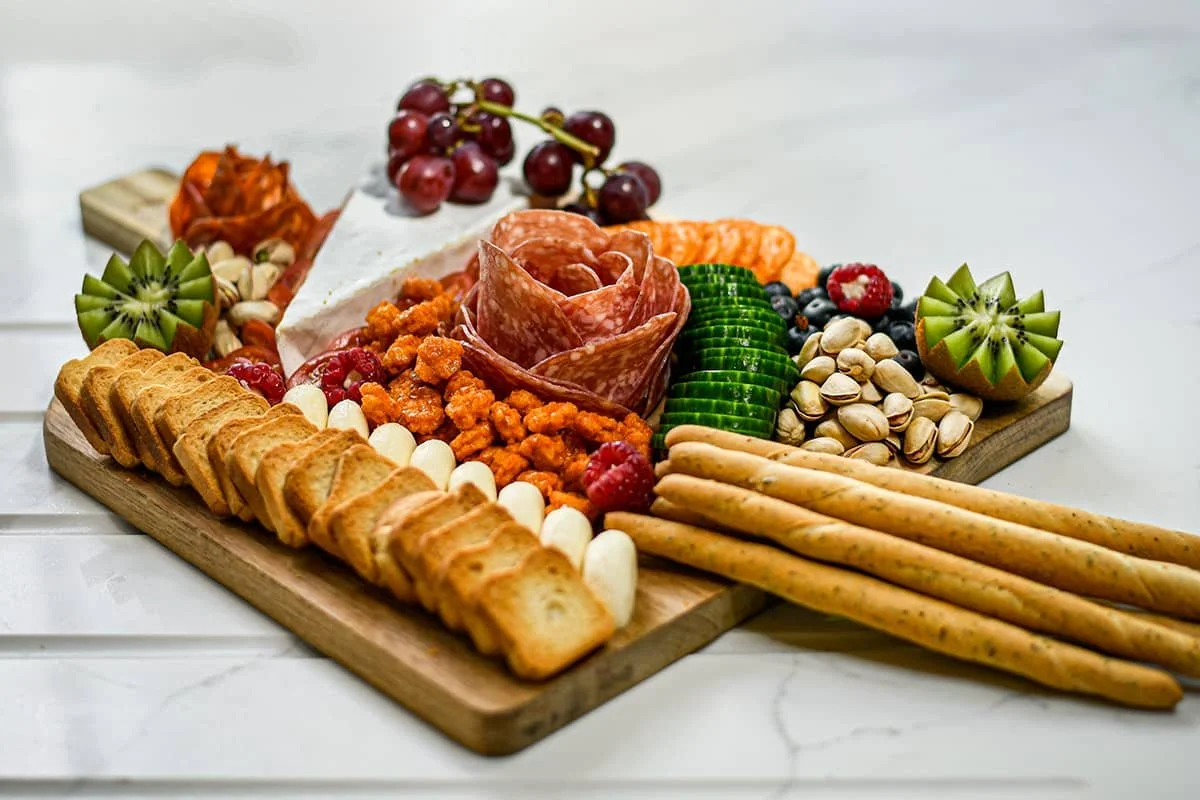
Charcuterie - modern trend or ancient necessity?
Charcuterie may feel like a modern food trend but its roots go back thousands of years. Long before boutique delis and artisan food halls, people were curing meat for survival.
Today, charcuterie boards have become a centrepiece of social dining, and Cotswolds charcuterie, drawing on the region’s rolling pastures, heritage farms, and artisan food producers, offers its own rich interpretation of this centuries-old craft.
Here’s the story behind charcuterie’s journey from ancient necessity to modern showpiece, and what truly defines a Cotswolds-style charcuterie board.
A Taste of Tradition: The History of Charcuterie
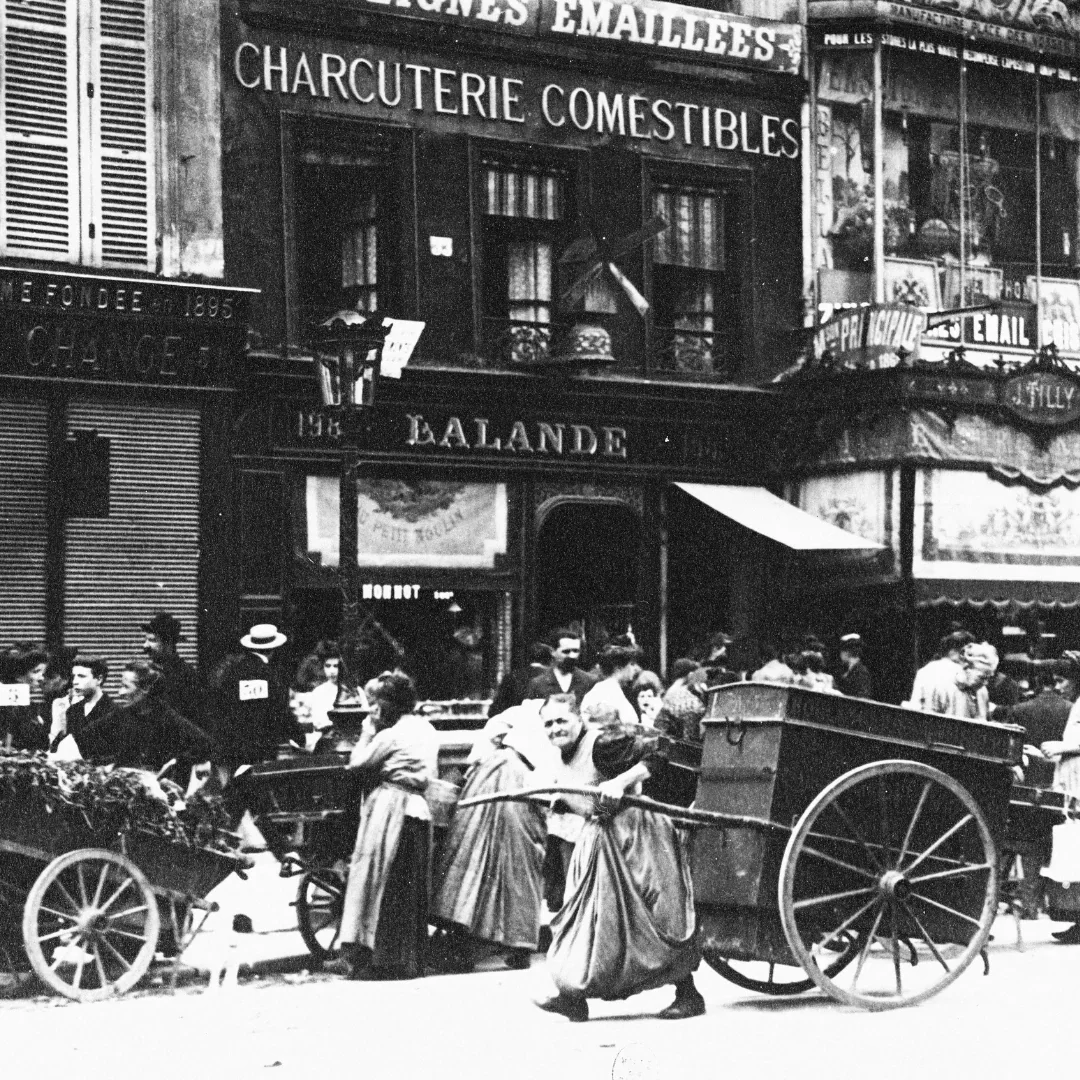
While charcuterie has become one of the most popular food trends in the UK, its origins are ancient. The word charcuterie comes from the French chair cuit (“cooked flesh”), yet the practice of curing meat dates back thousands of years. From the Romans to the medieval guilds of France, charcuterie began as a way to preserve meat using salt, smoke, and time.
Over centuries, these preservation methods evolved into an artisanal craft, producing favourites like prosciutto, pancetta, salami, pâté, and rillettes. Today, charcuterie is enjoyed not just for practicality, but for flavour: rich, savoury, complex, perfectly paired with cheese and accompaniments.
How the Modern Charcuterie Board Was Born
While cured meats have existed for millennia, the charcuterie board is a more recent creation. As farm-to-table dining has grown and artisan food producers flourished, charcuterie has become a centrepiece of social eating. Restaurants, wine bars, and home entertainers are having a great time sharing boards full of cured meats, cheeses, fruits, pickles, nuts, and locally baked bread.
The rise of social media—especially Instagram—has turned charcuterie boards into edible art, showcasing textures, colours, and abundance! Today, they’re a staple of dinner parties, picnics, gifting, and luxury hampers.
But What Makes a Cotswolds Charcuterie Board Unique?
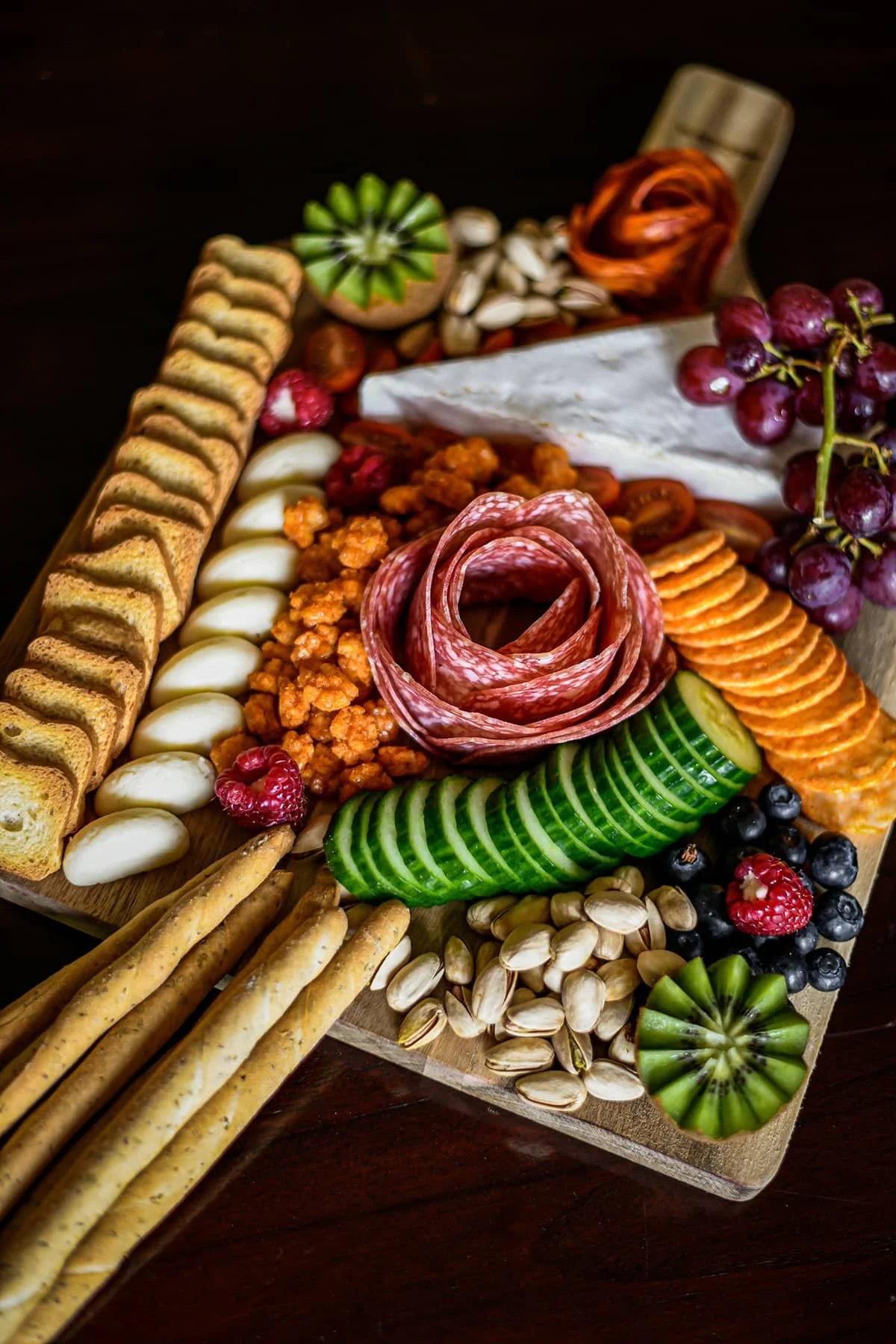
The Cotswolds is known for its rolling farmland, rare-breed livestock, artisan food producers, and heritage cheesemaking. A Cotswolds charcuterie board celebrates these local flavours and traditions, bringing together the best the region has to offer.
Typical Cotswolds Charcuterie Includes:
Local cured meats such as air-dried ham, fennel salami, and British coppa
Award-winning Cotswold cheeses such as Double Gloucester and Cotswold Blue
Handcrafted chutneys & pickles made by local producers, such as Pot of What
Artisan crackers and breads, including Peter’s Yard items
Seasonal fruit & extras, such as local apples, pears, figs, grapes, nuts, and honey
Every ingredient reflects the landscape and farming heritage of the region. A Cotswolds charcuterie board is rustic, generous, beautifully balanced, and ideal for entertaining, catering, events or gifting.
A Board That Tells a Story
The charcuterie board may be a modern entertaining trend, but its heart lies in centuries-old craftsmanship. When you choose Cotswold charcuterie, you’re enjoying flavours shaped by history, tradition, and the landscapes of one of Britain’s most beautiful regions.
A charcuterie board is more than food—it’s a narrative. The story of history, technique, local landscape, and regional character.
A Cotswolds charcuterie board draws from:
Traditional farming
Rare-breed meats
Artisan cheesemaking
Local chutneys & honey
The creativity of independent producers
It’s rustic, elegant, and rooted in the land itself.
Take a look at our charcuterie boards and grazing boxes for gift ideas (don’t forget yourself!) or if you are planning an event, get in touch to enquire about our charcuterie table options.
