
Artisanal produce in the Cotswolds
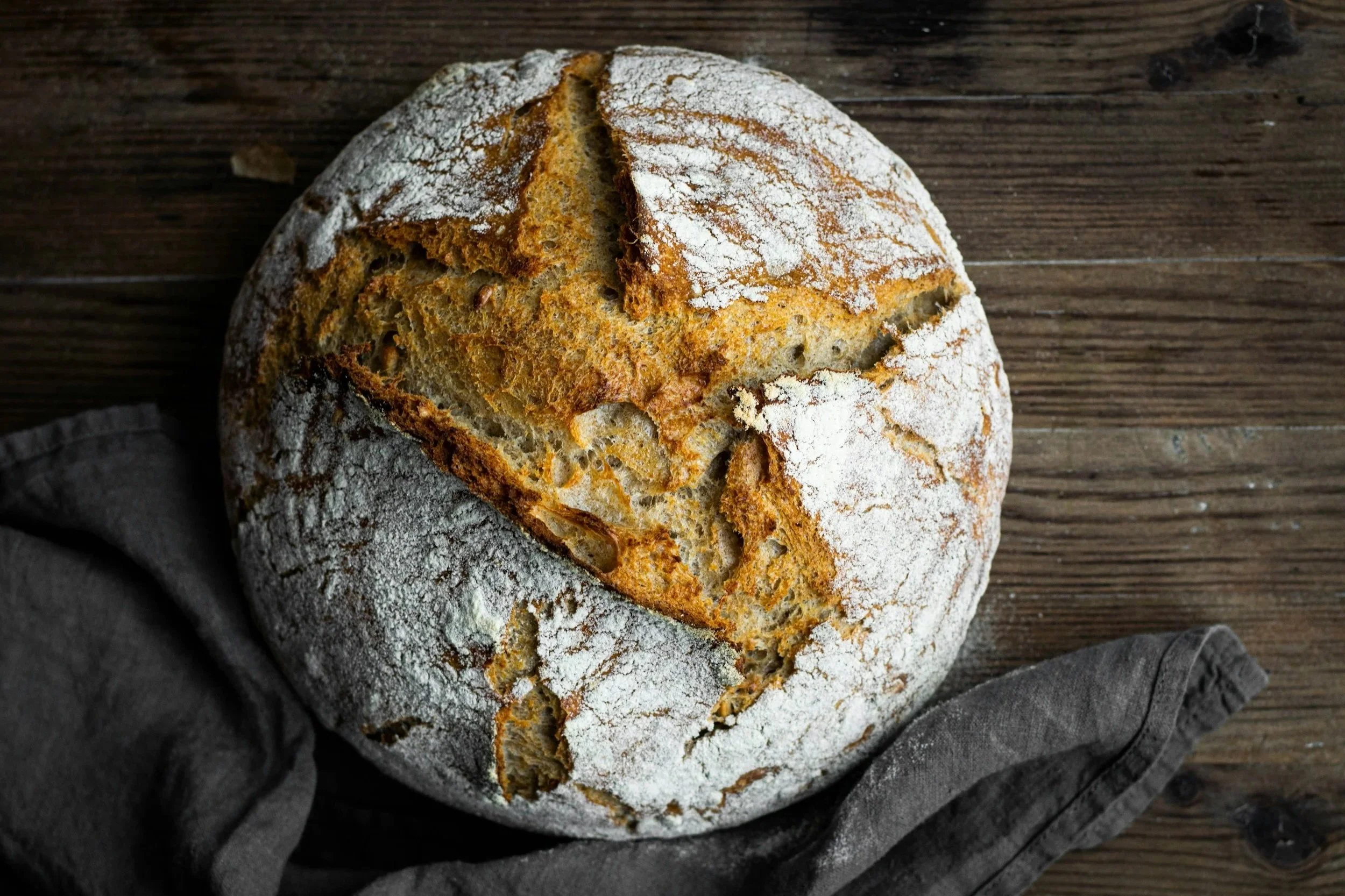
The Revival of Artisanal Produce in the Cotswolds: A 20-Year Renaissance in Local Food
Over the last two decades, the Cotswolds has undergone a quiet but extraordinary food revolution. What was once a landscape dominated by large-scale farming and limited rural employment has transformed into a thriving ecosystem of artisan producers: small-batch cheesemakers, traditional bakers, craft butchers, cider makers, micro-dairies, regenerative farms, beekeepers, chocolatiers, foragers, and farm shops showcasing the very best of local craftsmanship.
This revival has both delighted food lovers AND delivered real economic, social, environmental, and nutritional benefits to communities across the region. Here’s how the Cotswolds’ artisanal renaissance took shape, and why “buying local” has become so important.
A 20-Year Revival Rooted in Craft & Tradition
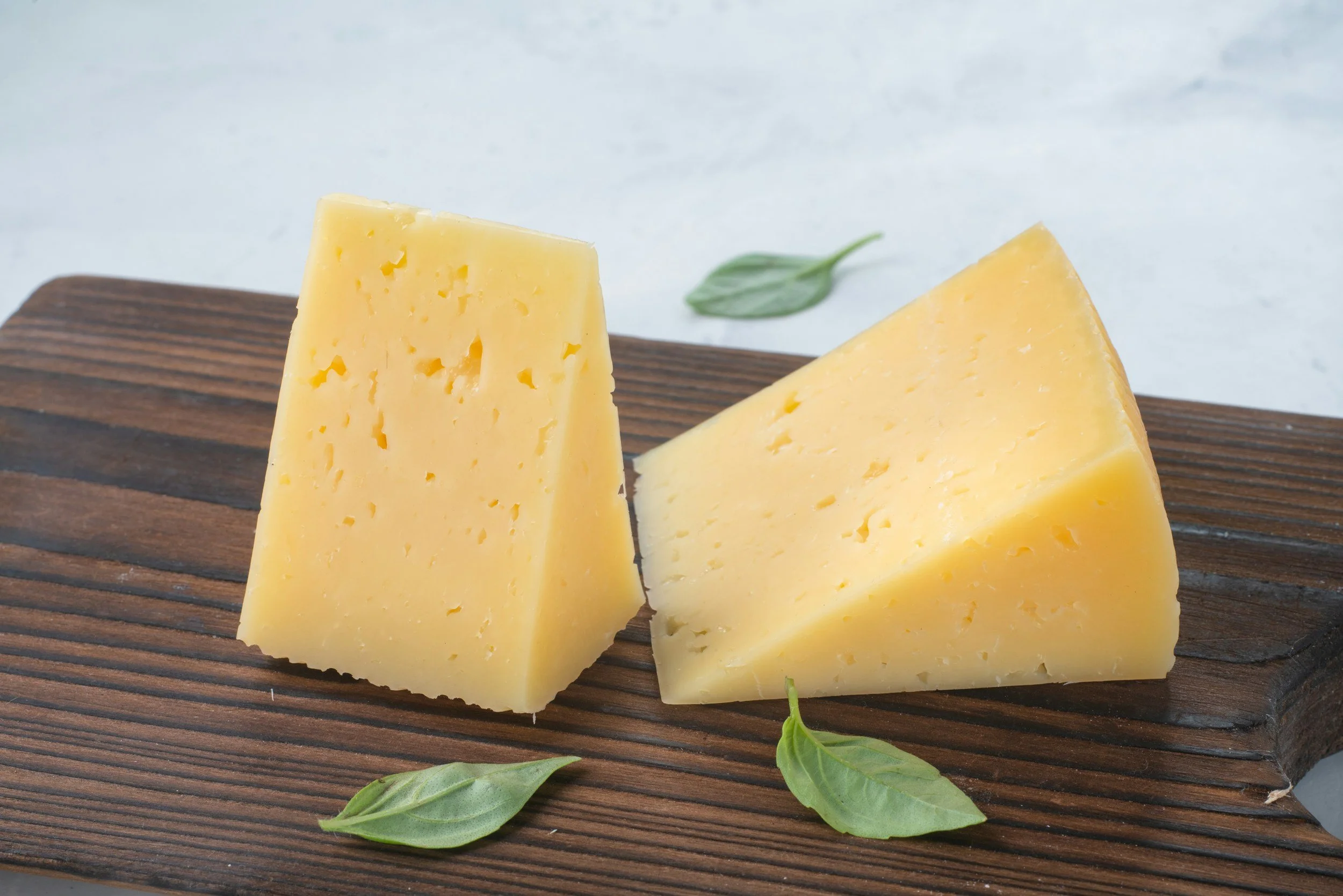
In the early 2000s, the Cotswolds began to see a shift. Farmers sought greater independence from supermarket pressures. Rural entrepreneurs returned to time-honoured skills. Consumers demanded traceability, craftsmanship, and food with a story. As a result:
Historic breeds like Gloucestershire Old Spot pigs and Cotswold sheep returned to prominence.
Cheesemakers revived traditional recipes and introduced award-winning innovations such as Rollright, Cerney Ash, and St. Oswald.
Small-scale smokehouses, bakeries, charcutiers, and orchards flourished.
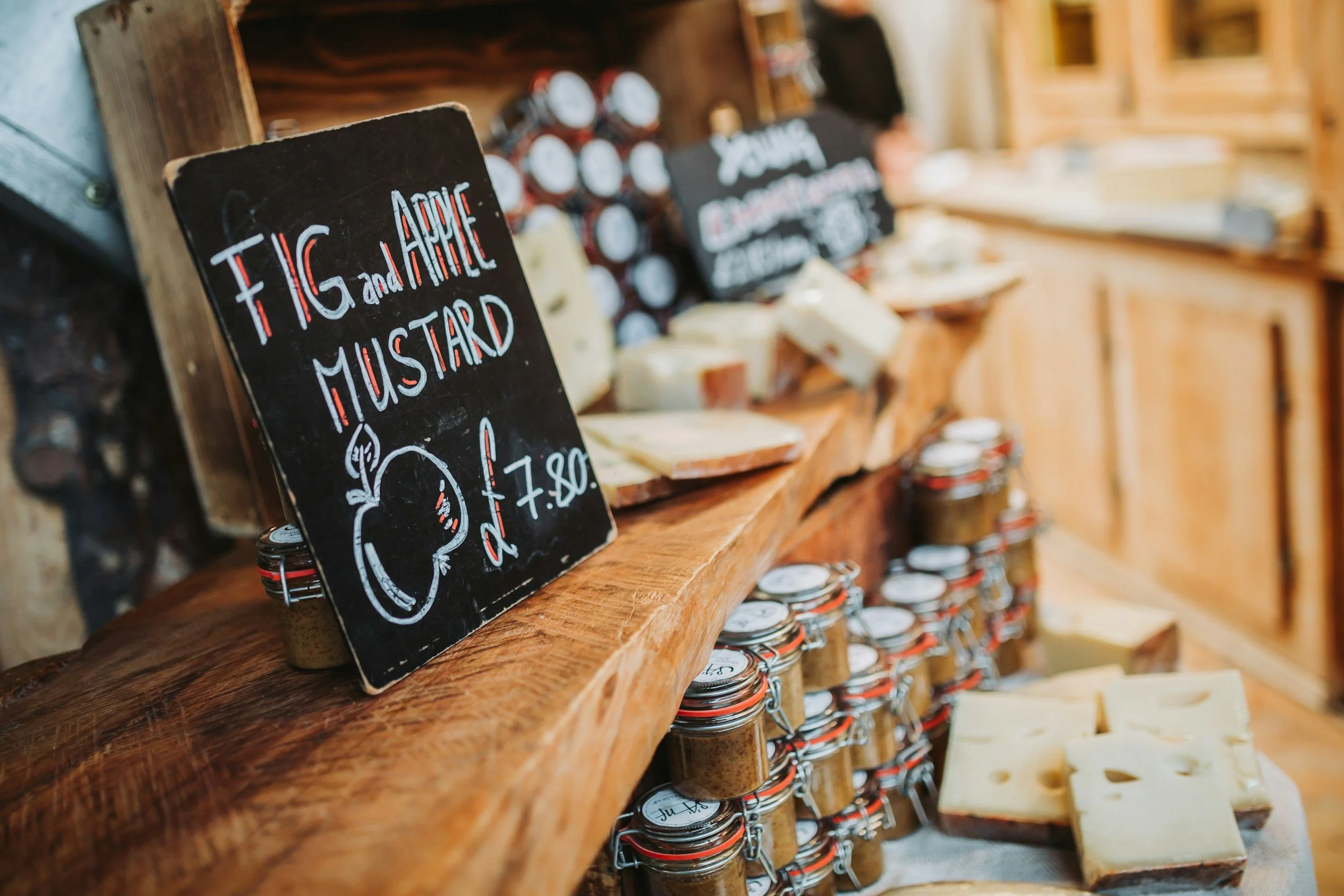
Farm shops and delis became community hubs, championing local producers.
This movement wasn’t a trend—it was the beginning of a cultural shift toward regional identity and sustainable, high-quality food.
Economic Benefits: Strengthening Rural Communities

Choosing locally produced Cotswold food directly supports the rural economy. Here's why:
Money Stays in the Local Community
Every pound spent with a local producer recirculates several times within the region—supporting farmers, makers, wholesalers, shopkeepers, and hospitality businesses.
More Local Jobs
Artisan food is labour-intensive: hand-ladled cheese, small-batch jams, regenerative farming, traditional butchery. This creates meaningful, skilled local employment.
Entrepreneurial Growth
The rise of artisanal food has encouraged new micro-businesses, food festivals, farm-to-table restaurants and artisan markets. Today, food tourism is one of the Cotswolds’ biggest draws.
Pricing Fairness for Farmers
Direct-to-consumer sales allow farmers to earn fairer margins, free from supermarket pricing pressures.
Social Benefits: Reconnecting People with Place
Local food supports more than the economy—it strengthens social fabric.
Community Connections
Local shops and cafes, farm shops, markets, and artisan workshops become gathering places where locals can access and meet producers face-to-face. Food becomes a shared experience rather than a transactional purchase.
Cultural Heritage Preservation
Traditional skills—cheesemaking, milling, curing, brewing—are kept alive and passed on to new generations. The region’s food identity becomes part of local pride.
Environmental Benefits: A More Sustainable Food System
The revival of Cotswold artisanal food has had a quietly powerful impact on the environment.
Lower Food Miles
Local produce travels far shorter distances, dramatically reducing transport emissions.
Support for Regenerative & Ethical Farming
Many Cotswold producers farm with pasture-fed livestock, no routine antibiotics, low-input crop rotations, soil regeneration methods, and high animal welfare standards.
These practices improve soil health, biodiversity, and capturing and storing carbon.
Reduced Packaging Waste
Local producers are increasingly using less packaging, recyclable or compostable materials, refill schemes and reusable containers.
Protection of Local Landscapes
Sustainable farming helps preserve the iconic rolling hills, dry-stone walls, orchards, and meadows that make the Cotswolds so special.
Nutritional Benefits: Fresher, Healthier, Better Quality
Local food isn't just better for the environment—it’s better for you.
Higher Nutrient Density
Local produce is fresher and harvested closer to peak ripeness, meaning higher levels of antioxidants, better vitamin retention and richer flavours.
Less Processing
Artisan producers rely less on preservatives and additives and more on traditional techniques.
Better Animal Diets = Better Nutrition
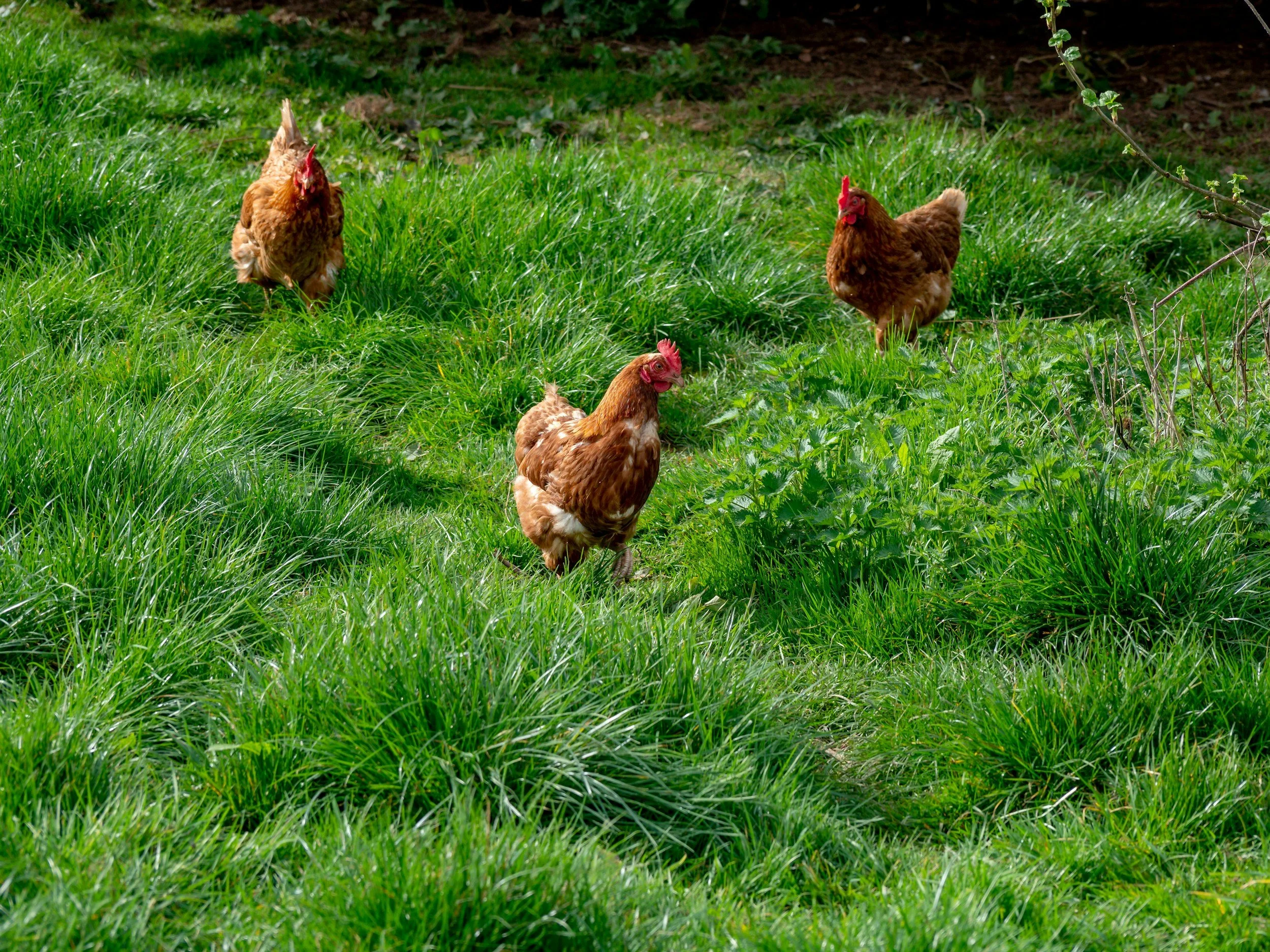
Pasture-raised and grass-fed livestock produce better omega-3:omega-6 ratios, higher vitamins A & E and cleaner, more natural fats.
Greater Transparency
You know exactly what is in your food, who made it, and how it was produced.
A Future Built on Local Excellence
The revival of artisanal food in the Cotswolds is more than a culinary trend—it’s a movement rooted in sustainability, heritage, and community. Over the last 20 years, the region has proven that when craftsmanship meets responsible agriculture, everyone benefits.
Consumers enjoy healthier, fresher food.
Farmers gain independence and fairer livelihoods.
The landscape is protected for future generations.
And the Cotswolds strengthens its identity as one of the UK’s great food regions.
Buying local isn’t just a choice—it’s a vote for a better food system.
